Secure Data Destruction & Hard Drive Shredding

Data Destruction

Certified Data Destruction You Can Trust

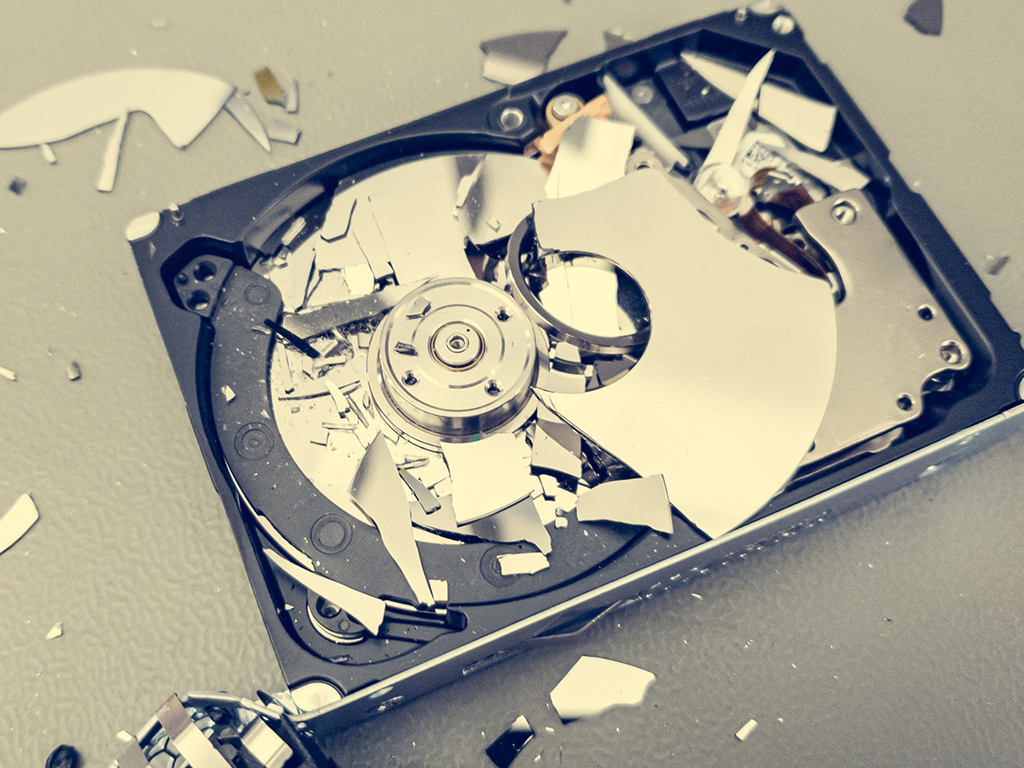
Los Angeles E-Waste provides secure, compliant data destruction services to help protect sensitive information and reduce the risk of data breaches. Whether you have a few hard drives or an entire rack of servers, we ensure your data is permanently destroyed and unrecoverable.

We offer both on-site and off-site data destruction to meet your security and compliance needs. For maximum control, on-site destruction allows you to witness hard drive shredding performed by trained staff. Off-site destruction provides a cost-effective solution for larger volumes, with secure transport, full chain of custody, and documented destruction at our facility.

 

We offer both on-site and off-site data destruction to meet your security and compliance needs. For maximum control, on-site destruction allows you to witness hard drive shredding performed by trained staff. Off-site destruction provides a cost-effective solution for larger volumes, with secure transport, full chain of custody, and documented destruction at our facility.
Los Angeles Ewaste Data Destruction Services
No Appointment Needed

We offer walk-in Hard Drive Destruction service at our Canoga Park Location

We destroy data-bearing devices including:

  • Hard drives (HDD & SSD)
  • Servers and storage devices
  • Backup media and electronics containing data

Once destroyed, data is 100% unrecoverable.

Ready to protect your data?

Our data destruction services are designed to support compliance with commonly referenced standards and regulations, including: NIST 800-88, HIPAA, GLBA, FERPA & More.
Nist-800-88

National Institute of Standards and Technology
HIPAA-Data-Destruction

Health Insurance Portability and Accountability Act
GLBA

Gramm-Leach-Billy Act Compliant

Los Angeles E-Waste Data Destruction Services

How the Process Works

Simple, secure, and fully documented.

Request Service

Call us or submit a request to get started.

Secure Collection or On-Site Service

We collect devices securely or perform destruction on-site.

Destruction & Documentation

Data is destroyed. Certificates and reports are provided.

Industry-Specific Data Wiping Solutions To Meet Compliance

Los Angeles eWaste data erasure solutions help enterprises protect sensitive information and maintain data privacy. IT assets such as drives, PCs, laptops, Macs, servers, and smartphones can be securely wiped onsite or offsite. Windows endpoints can also be erased remotely through tools like SCCM or ManageEngine. Each erasure generates a tamper-proof report and certificate to support compliance with standards like GDPR, HIPAA, ISO 27001, SEC, and PCI-DSS.
  • NIST 800-88 Clear
  • NIST 800-88 Purge
  • US - DoD 5220.22-M (3 passes)
  • US - DoD 5220.22-M (ECE) (7 passes)
  • US - DoD 5200.28-STD (7 passes)
  • Russian - GOST R 50739-95 (2 passes)
  • B. Schneier's Algorithm (7 passes)
  • German Standard VSITR (7 passes)
  • Peter Gutmann (35 passes)
  • Peter Gutmann (35 Passes)
  • US Army AR 380-19 (3 passes)
  • NATO Standard (7 passes)
  • US Air Force AFSSI 5020 (3 passes)
  • Pfitzner Algorithm (33 passes)
  • Canadian CSEC ITSG-06 (1-3 Passes)
  • NSA 130-1 (3 passes)
  • British HMG IS5 (3 passes)
  • Zeroes
  • Pseudo-Random
  • Pseudo-Random & Zeroes (2 passes)
  • British - HMG IS5 (Baseline Standard)
  • NAVSO P-5239-26 (3 passes)
  • NCSC-TG-025 (3 passes)
  • BitRaser Secure & SSD Erasure
  • +5 Customized Algorithms

Frequently Asked Questions

Yes. Certificates of Destruction are available for both on-site and off-site data destruction services. Certificates can be issued per job or per individual asset when required. A fee of $15 applies.

Data wiping securely erases data using approved methods, while physical destruction permanently destroys the media. We help determine the best option based on your security and compliance needs.
Our on-site data destruction process is designed to meet strict regulatory and compliance requirements, including HIPAA, MPAA, FACTA, GLBA, and more—while keeping your data under your control at all times.

1. Pre-Service Planning (Optional)

An asset inventory is reviewed or created in advance, and client requirements are confirmed based on applicable industry standards.

2. On-Site Arrival

Our certified technicians arrive at your location with all required secure destruction equipment.

3. Authorized Personnel Verification

Only approved client representatives are permitted to release assets or sign off on services.

4. Chain of Custody Initiated

Each asset is logged and tracked from pickup through final destruction to ensure full accountability.

5. Secure Handling & Containment

Devices are stored in locked, tamper-proof containers until the destruction process begins (if required).

6. Serial Number Recording

All serial numbers are documented to ensure complete traceability and accurate reporting.

7. Data Sanitization (Optional)

If requested, data is securely wiped using recognized standards such as NIST 800-88 or DoD 5220.22-M prior to physical destruction.

8. Physical On-Site Destruction

Devices are shredded or crushed beyond recovery using industrial-grade equipment—right at your location.

9. Video or Photo Documentation (Optional)

Visual proof of destruction can be captured and provided upon request.

10. Client Witnessing (Optional)

Clients may observe or record the destruction process on-site for added assurance.


11. Certificate of Destruction Issued

A formal certificate is provided, including serial numbers, destruction method, date, and time.

12. Responsible Recycling
All destroyed materials are sorted and processed through certified e-waste recycling facilities.

NIST-compliant data destruction follows guidelines established by the National Institute of Standards and Technology to ensure data is permanently and securely destroyed so it cannot be recovered.

NIST Data Destruction Standards

NIST guidelines define approved methods for data destruction, including secure data wiping, degaussing, and physical destruction, based on the sensitivity of the data and the type of storage media.

NIST compliance is widely used across commercial, government, and enterprise environments and serves as a baseline standard for secure data disposal.

NSA-compliant data destruction refers to strict physical destruction methods required for classified or high-risk data to ensure it is completely unrecoverable, even with advanced forensic techniques.

NSA (National Security Agency) Requirements

The National Security Agency (NSA) mandates approved destruction methods such as shredding, crushing, and degaussing using equipment listed on the NSA/CSS Evaluated Products List (EPL).

These protocols are commonly required for government agencies, defense contractors, and organizations handling highly sensitive or regulated data.

MPAA-compliant data destruction refers to secure processes designed to protect intellectual property within the media and entertainment industry.

MPAA (Motion Picture Association) Content Security

MPAA guidelines help prevent leaks, piracy, and unauthorized distribution of digital assets such as unreleased films, scripts, media files, and production backups through certified data wiping and physical destruction. MPAA-compliant destruction is commonly required by studios, production houses, post-production companies, and content creators.

HIPAA-compliant data destruction ensures that electronic protected health information (ePHI) is permanently destroyed in accordance with healthcare privacy and security regulations.

HIPAA Data Protection Requirements

HIPAA requires covered entities and business associates to implement safeguards that prevent unauthorized access to patient data. This includes secure destruction of data-bearing devices such as hard drives, servers, laptops, and medical equipment.

HIPAA-compliant data destruction helps healthcare organizations reduce the risk of data breaches, fines, and regulatory penalties.

GLBA-compliant data destruction refers to the secure disposal of customer information as required by the Gramm-Leach-Bliley Act (GLBA), which governs how financial institutions protect sensitive consumer data.

GLBA Safeguards Rule

The GLBA Safeguards Rule requires financial institutions to implement administrative, technical, and physical protections to ensure customer information is not accessed or recovered after disposal.

GLBA-compliant data destruction includes the secure destruction of hard drives, servers, backup media, and other data-bearing devices using secure wiping, degaussing, or physical shredding, along with documented chain of custody when required.

Following GLBA requirements helps financial institutions reduce the risk of data breaches, protect customer privacy, and maintain regulatory compliance.

Best For:
Enterprises, healthcare organizations, financial institutions, and government agencies

Shredding is the most secure form of physical data destruction available. Using industrial-grade shredders, Los Angeles E-Waste destroys hard drives and data storage devices by reducing them into tiny, unrecognizable particles (typically under 10mm)—making data recovery impossible.

This method is ideal for highly sensitive or regulated data where compliance, security, and risk elimination are critical.

Compliance & Standards Met
  • NIST 800-88 – Purge
  • DoD 5220.22-M
  • NSA/CSS EPL Guidelines

Devices Supported

  • Hard disk drives (HDDs)
  • Solid-state drives (SSDs)
  • Backup tapes
  • USB flash drives
  • Mobile devices
  • Optical media (CDs/DVDs)


Post-Destruction Handling

All shredded materials are processed responsibly and recycled through R2-certified downstream partners, ensuring both data security and environmental compliance.

We support 24 globally recognized data wiping standards for secure data erasure. These methods are available for on-site, off-site, and remote data wiping.

NIST 800-88 Clear
NIST 800-88 Purge
US DoD 5220.22-M (3 passes)
US DoD 5220.22-M (ECE – 7 passes)
US DoD 5200.28-STD (7 passes)
Russian GOST R 50739-95 (2 passes)
Bruce Schneier Algorithm (7 passes)
German VSITR (7 passes)
Peter Gutmann (35 passes)
US Army AR 380-19 (3 passes)
NATO Standard (7 passes)
US Air Force AFSSI 5020 (3 passes)
Pfitzner Algorithm (33 passes)
Canadian CSEC ITSG-06 (1–3 passes)
NSA 130-1 (3 passes)
British HMG IS5 (3 passes)
Zeroes
Pseudo-Random
Pseudo-Random & Zeroes (2 passes)
British HMG IS5 (Baseline)
NAVSO P-5239-26 (3 passes)
NCSC-TG-025 (3 passes)
BitRaser Secure & SSD Erasure
+5 Customized Algorithms